Gemstone Treatments and Certification: What Every Buyer Must Know
Explore the difference between unheated and treated gemstones, laboratory diagnostic methods, and CIBJO-compliant disclosure standards.
In high-end coloured gemstones, treatment status is one of the single most influential determinants of market value, rarity, and long-term collectability.
The Four Fundamental Treatment Categories
At Auction Gems Europe, we adhere to strict transparency standards aligned with CIBJO guidelines. Every gemstone is classified under one of four unambiguous labels:
1. None (Lab-Confirmed)
An independent laboratory report has subjected the stone to advanced microscopic examination and spectroscopic analysis (FTIR, Raman, UV-Vis), confirming no indications of heating, diffusion, clarity enhancement, or irradiation.
2. Not Tested
The gemstone has not been submitted to a laboratory for treatment determination. In keeping with ethical trade principles, untested gems are never described as untreated.
3. Heated
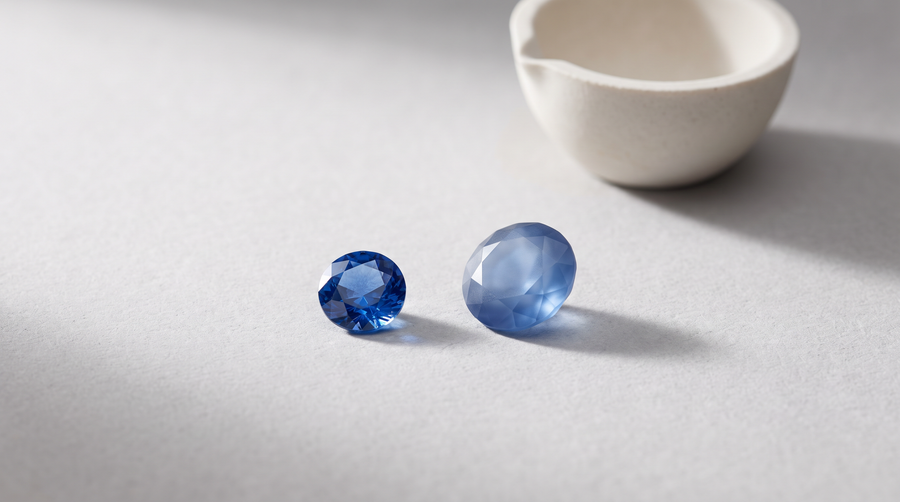
The stone has undergone high-temperature thermal treatment—a traditional, stable enhancement commonly applied to corundum to dissolve rutile silk or improve colour saturation.
4. Other (Disclosed)
Any non-thermal modification (such as oiling in emeralds, resin filling, or lattice diffusion) is explicitly documented in the stone specifications.
Why Unheated Corundum Commands a Premium
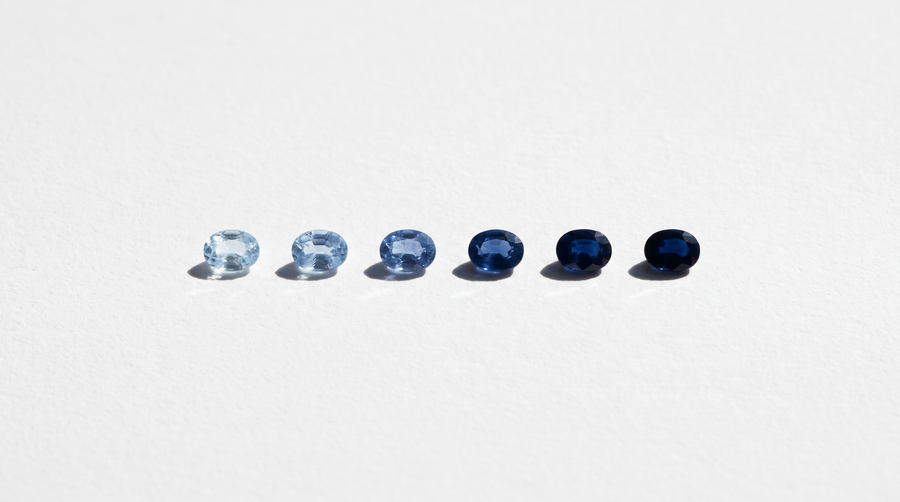
Untreated natural rubies and sapphires displaying vivid saturation represent a tiny fraction of total global mine output. A certified "no indications of heating" report provides collectors with verifiable assurance of natural geological formation.